Pie Crust Recipe

An Amateur Cook – Save Recipe

Save this recipe!

Get this recipe sent to your inbox, plus
new home-style recipes from An Amateur Cook every week.

I used to be the person who bought pie crust from the store and felt absolutely zero guilt about it.

And honestly, I still think there’s no shame in that game. Store-bought crust has saved many of my baking adventures from total disaster. But one quiet Saturday afternoon, standing in my kitchen with a bag of apples and a little too much curiosity, I thought… what if I just tried making my own?

No pressure. No audience. Just flour, butter, and the hope that I wouldn’t end up with something resembling edible cement.

The first attempt? Let’s just say it wasn’t bakery-window material. It was uneven, a little rough around the edges, and I probably used more flour than necessary trying to roll it out.

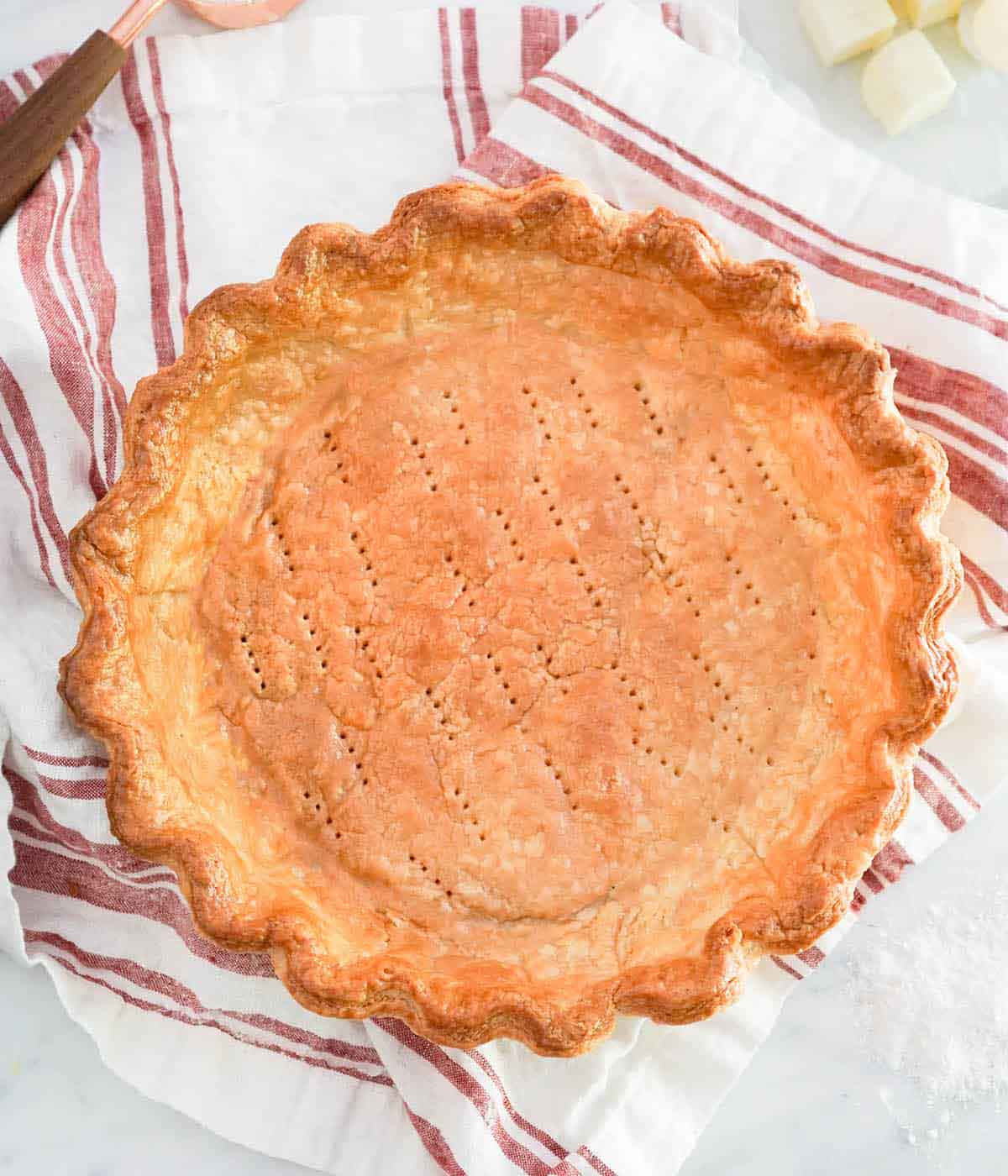
But when that pie came out of the oven, something magical happened. The crust was buttery, flaky, and tasted like it belonged there. Not perfect, but honest.

That’s when I realized homemade pie crust isn’t about perfection. It’s about that quiet moment when butter and flour turn into something that makes the whole kitchen smell like comfort.

And now, every time I make it, it feels a little like shaking hands with tradition… even if my edges are still a little crooked.

Why I Keep Coming Back to This Pie Crust

  • Butter Is the Star: When butter is the main ingredient, good things happen. This crust has that rich, real flavor you just don’t get from a box.
  • Surprisingly Simple: For years I thought pie crust was some advanced baking skill. Turns out it’s mostly flour, butter, and patience.
  • Flaky Layers That Feel Like Magic: When you slice into a pie and see those little layers, it feels like you’ve pulled off a small miracle.
  • It Works for Sweet or Savory: Apple pie, chicken pot pie, berry pie, quiche. One crust covers a lot of ground.
  • It Makes the Kitchen Feel Like Home: The smell of butter baking into pastry is one of those scents that instantly makes a house feel warmer.
  • You Control Everything: No mystery ingredients. Just simple pantry staples you can pronounce.
  • Freezer Friendly: Make extra dough now, thank yourself later.
  • Even the Imperfect Ones Taste Amazing: Crooked edges still taste like butter. That’s a win in my book.

Ingredients You’ll Need

  1. 3 cups all-purpose flour, divided (360 g)
  2. 1 tablespoon granulated sugar
  3. 1 teaspoon salt
  4. 1 cup cold unsalted butter, cut into cubes (227 g)
  5. 4 to 6 tablespoons ice water (60–90 ml)

How to Make the Pie Crust

Step 1: In the bowl of a food processor, combine 1½ cups of the flour, sugar, and salt. Pulse a few times just to mix everything together.
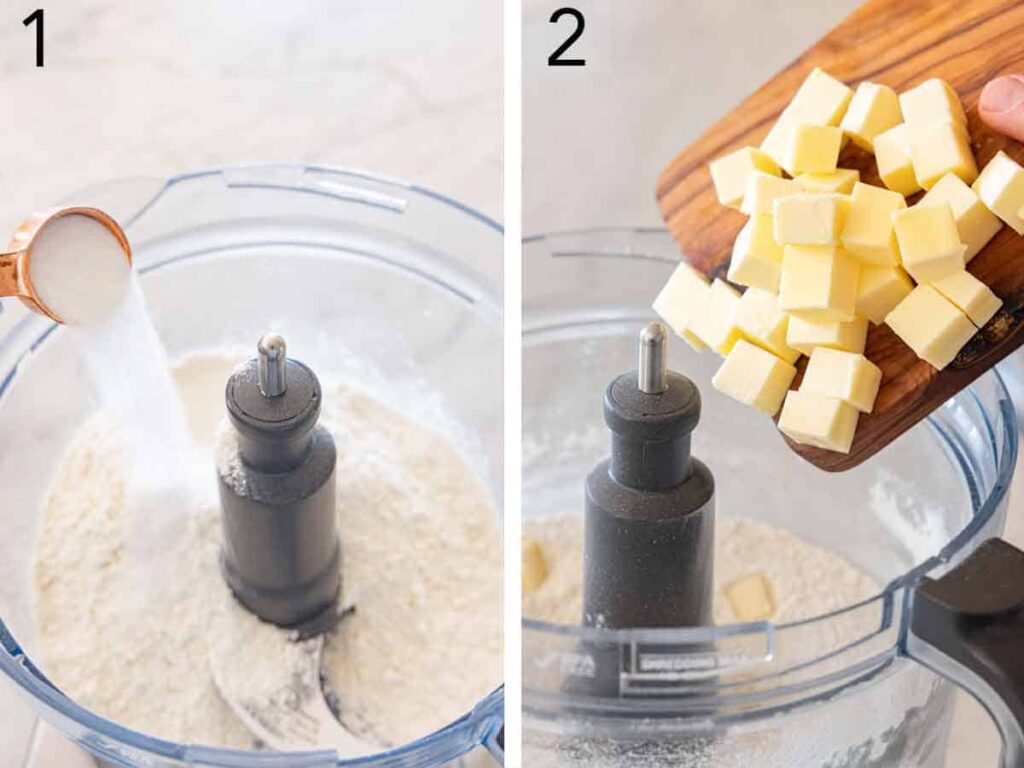
Step 2: Add half of the butter cubes. Process for about 30 seconds until the mixture looks crumbly and begins forming small clumps.
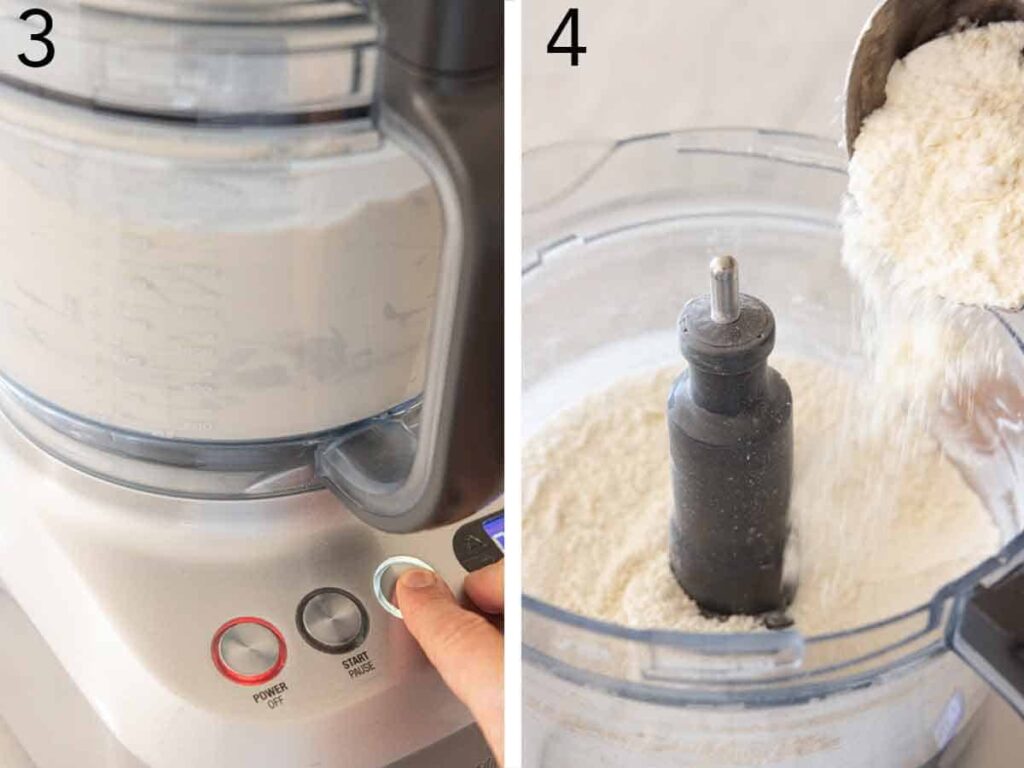
Step 3: Scatter in the remaining butter and the remaining 1½ cups of flour. Pulse just twice to distribute the butter.

Step 4: Drizzle 4 tablespoons of ice water over the mixture. Pulse a few times to combine.

Step 5: Add more ice water, one tablespoon at a time, pulsing once or twice after each addition until the dough holds together when squeezed.
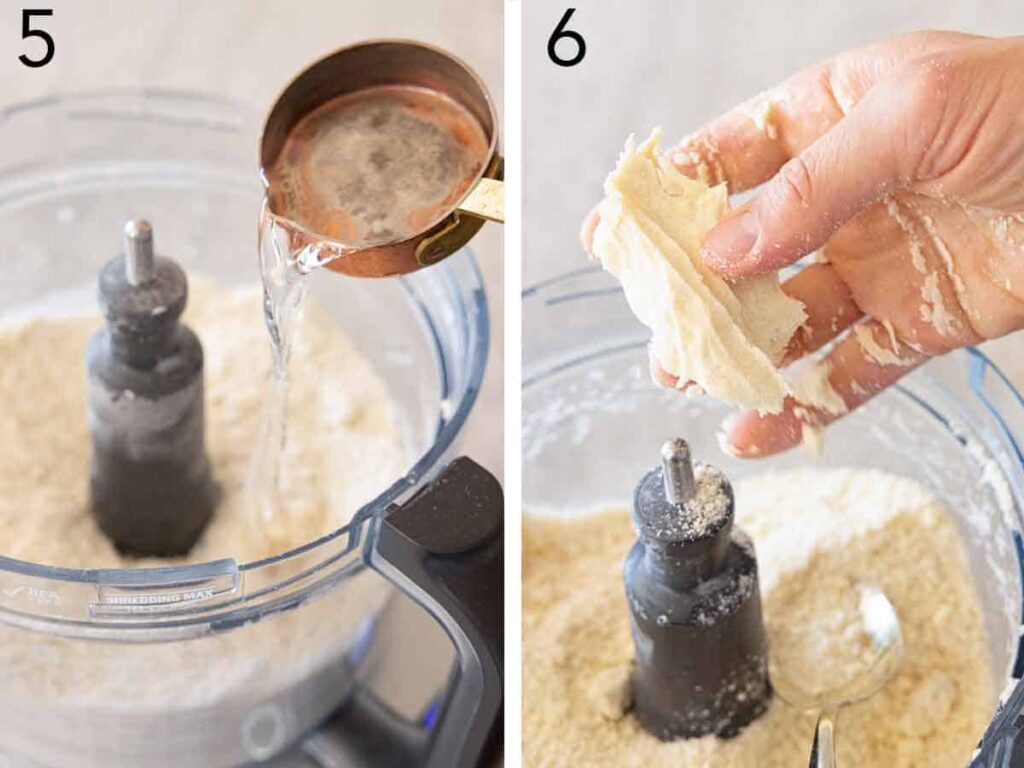
Step 6: Turn the dough onto the counter and gently form it into a ball.
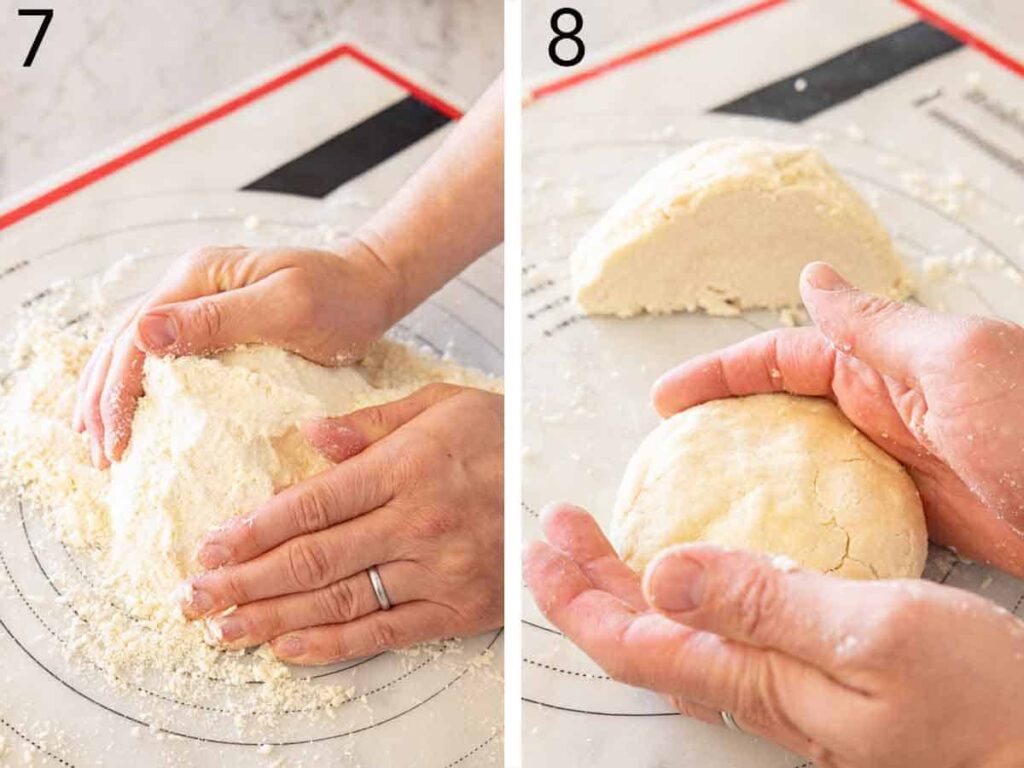
Step 7: Cut the dough in half and press each half into a flat disc.
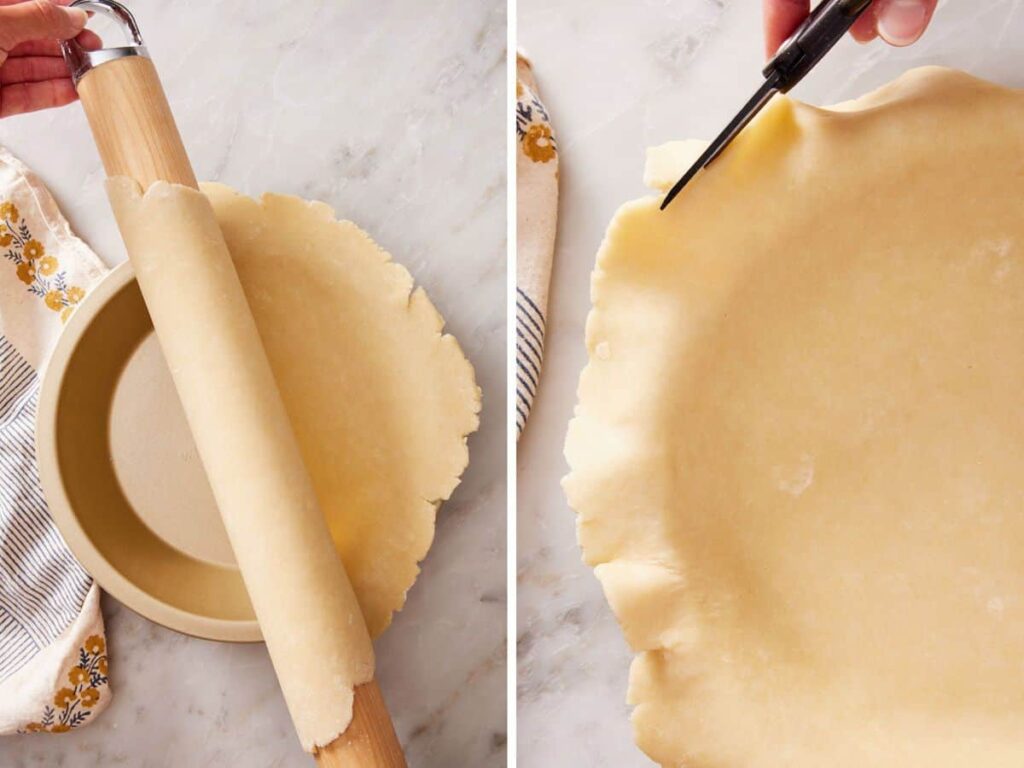
Step 8: Wrap each disc tightly in plastic wrap and refrigerate for at least 1 hour before using.
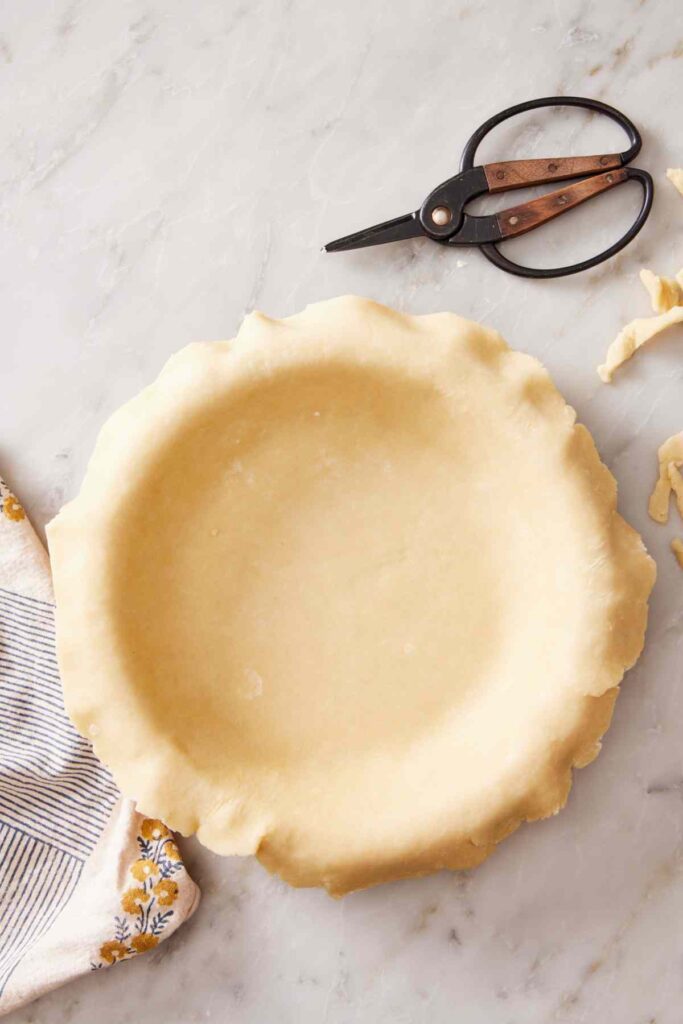
Real-Life Cooking Notes from Ethan

  • Cold Butter Is Everything: If the butter warms up, the crust won’t be as flaky. I sometimes even chill my flour for a few minutes.
  • Ice Water Means Ice Water: Not cold tap water. I learned the hard way that the colder the water, the better the dough behaves.
  • Don’t Overwork the Dough: The more you handle it, the tougher the crust becomes. Gentle hands make better pie.
  • Crumbly Is Good: The mixture in the processor might look messy or uneven. That’s exactly what you want.
  • Trust the Squeeze Test: If you pinch the dough and it holds together, you’re ready to go.
  • Chill Time Is Not Optional: I once skipped the chilling step and ended up wrestling sticky dough like it was a wrestling match.
  • A Little Imperfection Is Fine: My crust edges rarely look perfect, but they always taste perfect.
  • Extra Flour Helps Rolling: A light dusting keeps the dough from sticking when you roll it out.

Pie Crust Recipe

This homemade pie crust is buttery, flaky, and tender. Made with simple pantry ingredients and cold butter, it creates the perfect base for sweet pies and fruit desserts.
Prep Time 1 hour 10 minutes
Total Time 1 hour 10 minutes
Servings: 2
Course: baked
Cuisine: American
Calories: 1519

Ingredients
  

  • 3 cups all-purpose flour divided (360 g)
  • 1 tablespoon granulated sugar
  • 1 teaspoon salt
  • 1 cup cold unsalted butter cut into cubes (227 g)
  • 4 to 6 tablespoons ice water 60–90 ml

Equipment

  • Food processor
  • Measuring cups and spoons
  • Knife
  • Plastic wrap
  • Mixing surface or countertop

Method
 

  1. In the bowl of a food processor, combine 1½ cups flour, sugar, and salt. Pulse a few times until mixed.
  2. Add half of the cold butter cubes and process for about 30 seconds, until the mixture becomes crumbly and starts forming small clumps.
  3. Add the remaining butter and the remaining 1½ cups flour. Pulse twice just to distribute the butter evenly.
  4. Drizzle 4 tablespoons of ice water over the mixture.
  5. Pulse a few times until the dough begins to come together.
  6. If needed, add more ice water one tablespoon at a time, pulsing briefly after each addition. The dough should stick together when pressed but should not feel wet.
  7. Transfer the dough onto a clean countertop and gently form it into a ball.
  8. Cut the dough ball in half and press each half into a flat disk shape.
  9. Wrap each disk tightly in plastic wrap.
  10. Refrigerate for at least 1 hour before rolling out.
  11. The dough can be stored in the refrigerator for up to 3 days, or frozen for several months and thawed overnight in the refrigerator before using.

Nutritional Information

NutritionValue
Calories1519 kcal
Carbohydrates150 gm
Fat100 gm
Protein18 gm

Variations You Can Try

  1. Whole Wheat Version: Replace about 1 cup of flour with whole wheat flour for a nuttier flavor.
  2. Extra Buttery Crust: Add one extra tablespoon of butter for an even richer dough.
  3. Sweet Pie Crust: Add an extra tablespoon of sugar if you’re making dessert pies.
  4. Savory Herb Crust: Mix in a pinch of dried thyme or rosemary for quiches and savory pies.
  5. Cinnamon Dessert Crust: A small pinch of cinnamon works beautifully with apple or pumpkin pies.
  6. Lemon Zest Twist: Add a little lemon zest to brighten fruit pies.

Storage and Leftover Tips

  • Fridge Storage: The dough can stay in the refrigerator for up to 3 days.
  • Freeze for Later: Wrap the discs tightly and freeze them for up to 3 months.
  • Thaw Slowly: Move frozen dough to the fridge overnight before using.
  • Keep It Wrapped: Air dries out dough quickly, so keep it sealed well.
  • Label Your Dough: If you’re like me and freeze everything, a label saves guessing later.
  • Roll After Chilling: Cold dough rolls out more cleanly and keeps its shape better.

How I Like to Use This Pie Crust

  1. Classic Apple Pie: This crust and cinnamon apples are a match made in heaven.
  2. Berry Summer Pie: Blueberries, strawberries, or mixed berries shine in this crust.
  3. Chicken Pot Pie: The buttery layers work beautifully with creamy savory fillings.
  4. Quiche for Brunch: Eggs, cheese, and veggies inside this crust make brunch feel special.
  5. Hand Pies: Cut the dough into small circles and make little fruit hand pies.

Frequently Asked Questions

Can I make this without a food processor?

Yes. You can cut the butter into the flour using a pastry cutter or even two forks.

Why is my dough cracking when I roll it?

It might be too cold. Let it sit on the counter for a few minutes.

Can I use salted butter?

Yes, just reduce the added salt slightly.

How thin should I roll the dough?

About ⅛ inch thick works well for most pies.

Why does the dough need to chill?

Chilling relaxes the gluten and keeps the butter solid, which creates flaky layers.

Can beginners really make pie crust?

Absolutely. My first one looked rough, but it still tasted fantastic.

Can I double the recipe?

Yes, and I actually recommend it so you always have extra dough ready.

What pies work best with this crust?

Almost any pie. Fruit pies, cream pies, pot pies, or quiches.

The Last Bite

Homemade pie crust used to intimidate me. Now it feels like one of those small kitchen skills that makes baking more personal.

It’s flour on the counter, butter on your fingers, and the quiet satisfaction of making something from scratch.

And if your crust comes out a little uneven like mine usually does, just remember this.

Pie doesn’t need perfect edges to taste amazing.

Author Image

Ethan

I am a 28-year-old part-time barista, full-time vibe curator, and above all, an enthusiastic amateur cook living in Austin, Texas. .

Rate This Recipe

Thank you for rating! 🤍

Leave a Reply

Your email address will not be published. Required fields are marked *

Recipe Rating


PIN & SAVE

Follow on Pinterest

Craving more cozy, easy, and scroll-worthy recipes? Follow along and never lose a favorite again.

Follow Me on Pinterest →

You'll also love